Written scope
Pricing and work plan before we start
When mold shows up after a leak, flood, or AC overflow, mold remediation West Palm Beach FL crews handle it before it spreads. We contain the area, remove contaminated materials, and dry the structure so spores do not return. Whether it is a condo on Flagler Drive or a rental near CityPlace, we test, treat, and verify the air is clear.
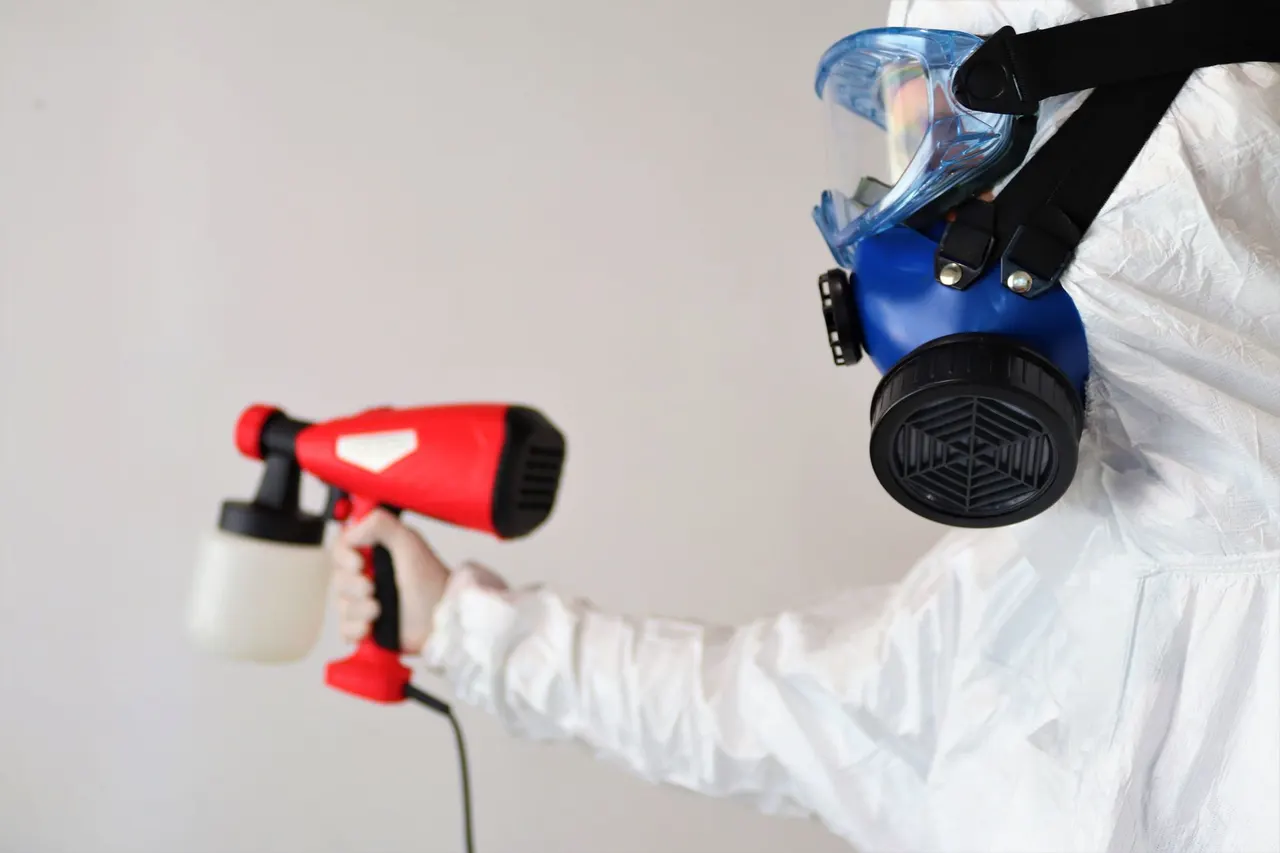
Every mold remediation job includes the core steps needed to remove mold and verify the air is clean. Additional services like duct cleaning or content pack-out are added when the scope calls for them.
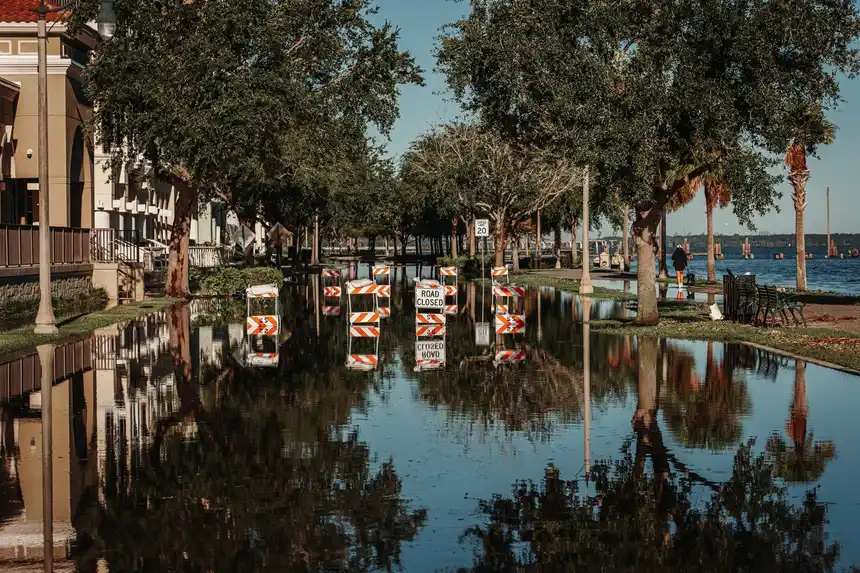

We handle mold in houses, condos, and rentals across West Palm Beach. Our crews contain the area, remove contaminated materials, and dry the structure so mold does not come back.
We work with property managers, landlords, and business owners to remediate mold without disrupting operations. Containment and scheduling are planned around your tenants and staff.
Mold remediation West Palm Beach FL is the controlled removal of mold growth, contaminated materials, and moisture sources from a building, followed by verification that spore levels are back to normal. It is not wiping visible spots with bleach. Our technicians set up negative air machines and HEPA air scrubbers, remove affected drywall and insulation, treat framing with an antimicrobial solution, and dry the structure to IICRC S500 standards. We document moisture readings with a moisture meter and thermal imaging camera before and after.
In West Palm Beach, mold has ideal conditions almost year-round. Humidity sits above 70% most summer days, and afternoon storms push water into roof leaks, AC condensate lines, and slab leaks. We routinely handle mold remediation after water damage West Palm Beach FL homeowners discover behind baseboards or under carpet padding. If you search mold remediation near me West Palm Beach FL after a storm, we can be on-site the same day to stop the spread.
Mold needs moisture. We remove the mold, dry the moisture, and test the air before we leave.
Every job follows a documented sequence so nothing is missed. Here is what you can expect from the first call to the final clearance test.
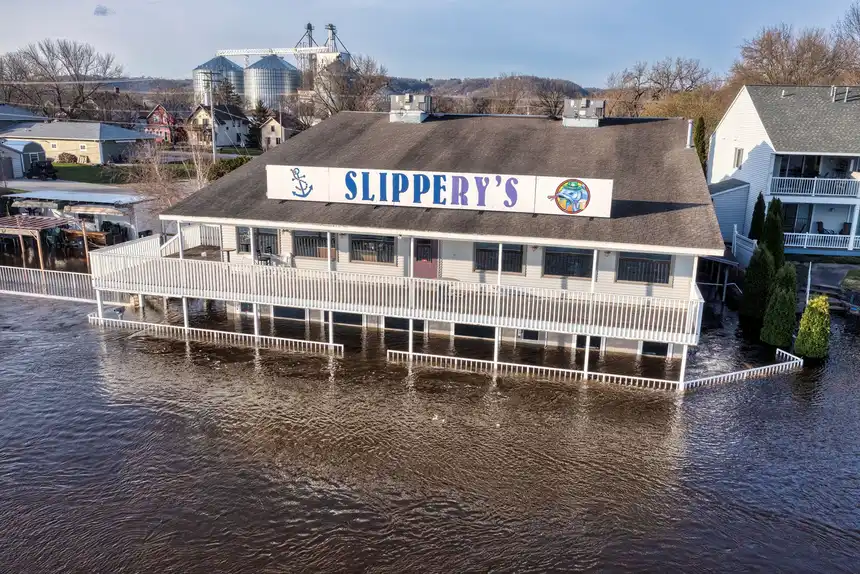
A technician walks the property with a moisture meter and thermal imaging camera to find hidden moisture. We take air and surface samples, identify the mold species, and locate the water source. This usually takes 60 to 90 minutes and gives us the scope for the job.
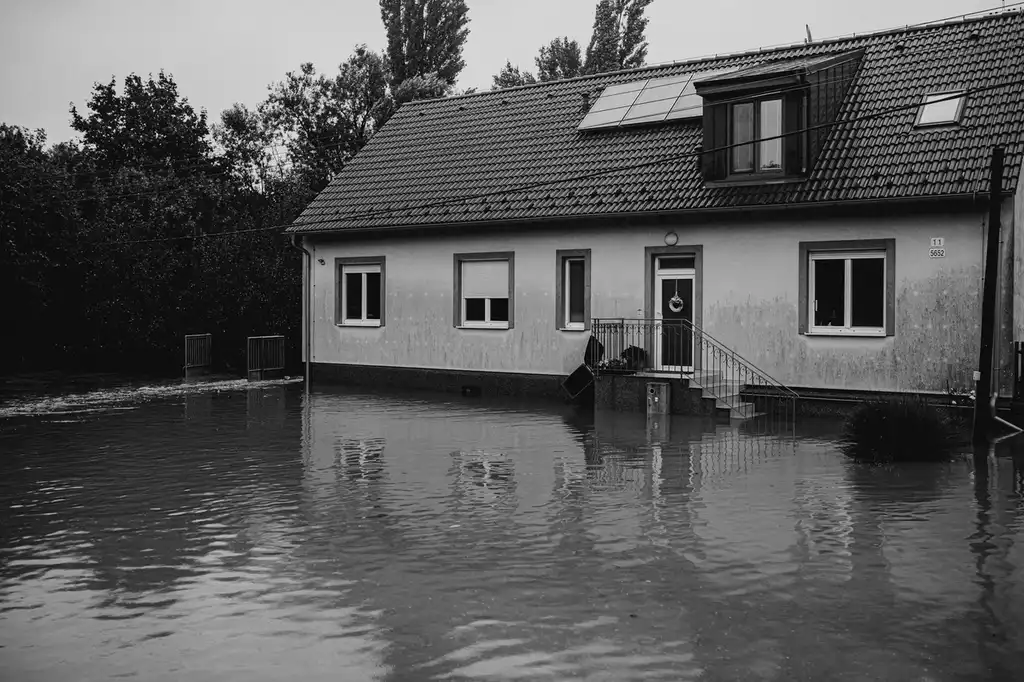
We seal doorways and vents with plastic sheeting and set up negative air machines so spores cannot spread to clean rooms. HEPA air scrubbers run continuously during the job. Containment goes up the same day we start, usually within the first two hours on site.

Contaminated drywall, insulation, and carpet padding are bagged and removed. Framing and structural surfaces get treated with an antimicrobial solution and Benefect disinfectant. We use Injectidry systems for wall cavities and floor drying mat systems for hardwood and tile.
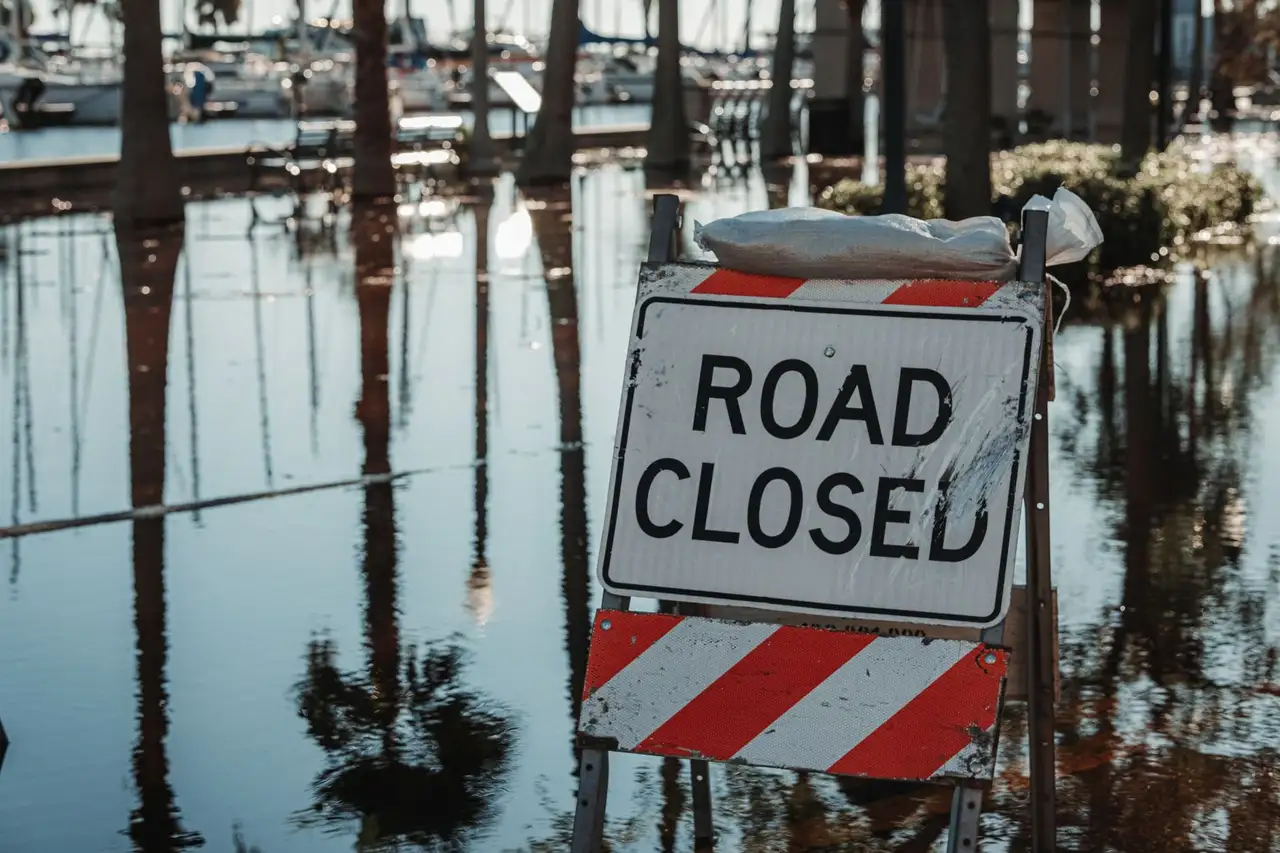
Dri-Eaz and Phoenix Restoration Equipment dehumidifiers and air movers run until moisture readings return to normal. Depending on the size of the area, drying takes two to five days. We check readings daily and adjust equipment placement as needed.
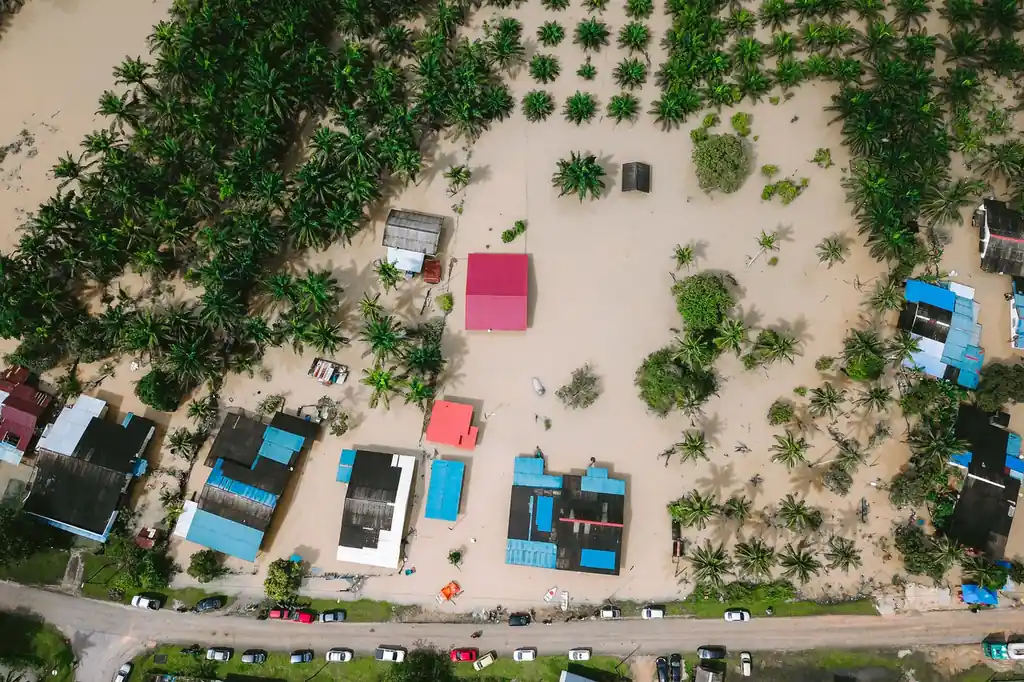
After drying and treatment, we run a final air quality test to confirm spore levels are back to normal. You get a written report with before-and-after readings. If levels are still high, we re-treat at no extra charge before closing the job.
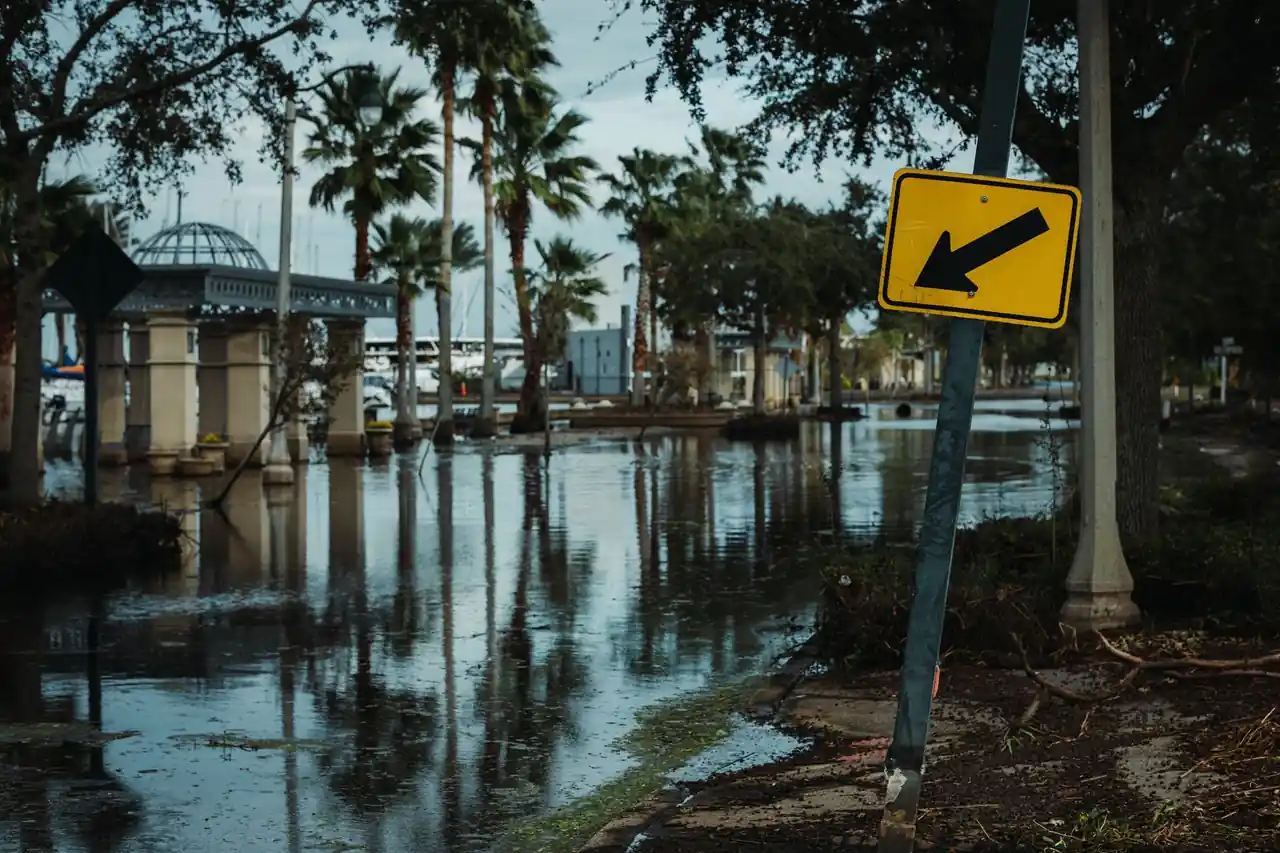
Filters mold spores out of the air during remediation. We run scrubbers continuously inside containment to keep spore counts down and protect clean areas of the home.
Creates negative pressure inside containment so air flows in, not out. This stops spores from escaping into clean rooms while we remove contaminated materials.
Finds hidden moisture behind walls and under floors without opening them up. We use it to map the affected area before we start removal.

Measures moisture content in drywall, wood, and framing. We check readings daily during drying and confirm the structure is dry before clearance testing.

Forces dry air into wall cavities and other enclosed spaces. We use it to dry framing inside walls where mold is growing without removing all the drywall.
Pulls moisture out of hardwood and tile floors without damaging the surface. We use mats when water has soaked under floors and mold risk is high.
Remove moisture from the air so wet materials can dry. We size dehumidifiers to the job and run them until moisture readings return to normal.

We follow the IICRC S520 standard for mold remediation, which covers containment, removal, cleaning, and verification. This is the industry standard insurers and adjusters recognize.
We inspect the area with a moisture meter to find the water source, contain the room, remove affected drywall, and treat the framing. Drying equipment runs until moisture readings are normal. Mold is removed, the source is fixed, and the air is tested clean. You get a written report for your records or insurance claim.
We use thermal imaging and moisture meters to find hidden moisture behind walls and under floors. Air sampling identifies mold species and spore counts so we know what we are dealing with. We locate the source, remediate the mold, and verify with clearance testing. The musty smell goes away once the mold and moisture are gone.
We respond same-day, contain the unit, remove contaminated materials, and dry the structure. We document everything with photos and moisture readings for the property owner. The unit is cleared for occupancy with a written clearance report. The owner has documentation for insurance and tenant records.
We inspect the attic, test the air, and write a scope for remediation. If the sale is pending, we can schedule the work quickly and provide a clearance report for the buyer. The attic is remediated and tested clean. The clearance report gives the buyer confidence and keeps the sale moving.
West Palm Beach humidity sits above 70% most of the year, and afternoon storms push water into roof leaks, AC condensate lines, and slab leaks. That combination means mold can start growing in 48 hours and spread fast through drywall and insulation. We adjust our drying times and equipment placement for local conditions, running dehumidifiers longer in summer and checking wall cavities that stay humid even when the AC is on. Homes in El Cid and Flamingo Park are older, with plaster walls and crawl spaces that hold moisture differently than newer construction. High-rise condos on North Flagler Drive have HVAC systems that spread spores between units if mold is not contained. We handle residential mold remediation West Palm Beach jobs and commercial mold remediation West Palm Beach, Florida jobs with the same documentation and clearance testing. If you need 24/7 mold remediation West Palm Beach, Florida response after a storm or burst pipe, we schedule crews around the clock.
A slab leak soaked the hallway wall for weeks before the homeowner noticed mold behind the baseboards. Moisture readings showed 28% in the drywall, and air sampling found elevated spore counts in two rooms.
We removed 12 linear feet of drywall, treated the framing with antimicrobial solution, and dried the cavity with Injectidry systems for four days. Clearance testing showed spore counts back to normal, and we replaced the drywall with mold-resistant board.
Fix plumbing leaks promptly and check under sinks and behind baseboards after any water event. Running the AC and using exhaust fans in bathrooms keeps humidity down.
An AC condensate line clogged and overflowed into the ceiling of a downtown condo. The ceiling drywall was soft, and mold had spread into the insulation above. The musty smell was noticeable in the living room.
We removed the wet insulation and ceiling drywall, treated the ceiling cavity with Benefect, and ran dehumidifiers for three days. Air duct cleaning removed spores from the HVAC system, and clearance testing confirmed the air was clean.
Have the AC condensate line flushed annually before summer. Check the drain pan monthly and replace the filter every 90 days to keep airflow strong.
A roof leak during a storm soaked attic insulation and joists. Mold grew across the sheathing within a week. The attic humidity stayed above 65% because the space was not ventilated.
We removed 200 square feet of wet insulation, treated the joists and sheathing with antimicrobial solution, and dried the attic with Phoenix dehumidifiers for five days. New insulation went in, and clearance testing showed normal spore levels.
Inspect the roof after storms and fix missing shingles quickly. Add attic ventilation if humidity stays high, and check insulation after any roof leak.
Mold shows up in different ways depending on the water source and building type. Here are the problems we see most often and how we fix them.
We locate the leak, remove the lower section of drywall, treat the framing with antimicrobial solution, and dry the cavity with Injectidry systems. Once dry, we replace with mold-resistant drywall and test the air. Slab leaks soak the bottom of walls for weeks before you notice. By then mold is growing inside the wall cavity and spreading into adjacent rooms.
We clean up the water, remove wet insulation, treat the ceiling cavity, and dry the area. We also clean the air ducts so mold spores do not keep circulating through the house. AC condensate lines clog and overflow into ceilings and walls. The moisture feeds mold in insulation and drywall, and the musty smell spreads through the HVAC system.
We extract water with a truck-mounted extractor, pull up the carpet, remove contaminated padding, and dry the subfloor. Carpet is cleaned and treated, and we test the air before putting the room back together. Storm water soaks through carpet into padding and sits there. Padding stays wet for days and grows mold that spreads into the subfloor.

We remove wet insulation, treat the joists and sheathing with antimicrobial solution, and dry the attic with dehumidifiers. New insulation goes in once moisture readings are normal, and we test the air for spores. Roof leaks drip into attic insulation and joists. Mold grows in the insulation and spreads across the framing, and the attic stays humid because it is not conditioned.
HEPA air scrubbers and negative air machines pull spore counts down to normal levels. We verify with air quality testing before we call the job done, so you know the air in your bedrooms and living areas is safe to breathe again.
Mold digests drywall paper, insulation, and wood framing. Left alone, it weakens ceiling assemblies and floor systems. We remove contaminated materials and treat the framing so the structure stays sound and does not need costly repairs later.
When you need emergency mold remediation West Palm Beach FL, we dispatch crews fast. Water from a burst pipe or roof leak can feed mold in under 48 hours, so we contain the area and start drying before the problem grows.
We photograph moisture readings, map the affected area, and write a scope in Xactimate format. That documentation helps your claim move faster and shows exactly what was removed, treated, and verified clean.
Clear records you can keep and share.
Pricing and work plan before we start
Before and after documentation of drying
Air quality test results after remediation
Mold is everywhere in West Palm Beach air, but it only grows when moisture is present. Finding and fixing the water source matters as much as removing the visible mold.
Mold cannot grow without moisture. If you remove the mold but do not fix the leak or dry the area, it will come back. We always find and fix the water source first.
Even dead mold spores can cause allergic reactions. Removal and HEPA filtration matter because they take the spores out of the air, not just kill them on the surface.
Visible mold can be cleaned, but air testing is what proves the job is done. We test before and after so you have documentation that spore levels are back to normal.
Don't see your area? Call us to confirm coverage. +18445810963?
Most mold remediation jobs in West Palm Beach run $1,200 to $6,500, with small areas starting around $800 and whole-room jobs exceeding $10,000. The price depends on square footage affected, mold type, whether drywall or insulation must be removed, and how much drying is needed. We give you a written scope with pricing before work starts.
Most jobs take three to seven days from containment to clearance. Removal and treatment usually take one to two days, drying takes two to five days depending on materials, and clearance testing adds another day. Large commercial jobs or homes with widespread mold can take two weeks or more.
Insurance usually covers mold remediation when it results from a covered event like a burst pipe, roof leak, or storm intrusion. It typically does not cover mold from long-term neglect or maintenance issues. We document the water source and damage with photos and moisture readings to support your claim and write scopes in Xactimate format.
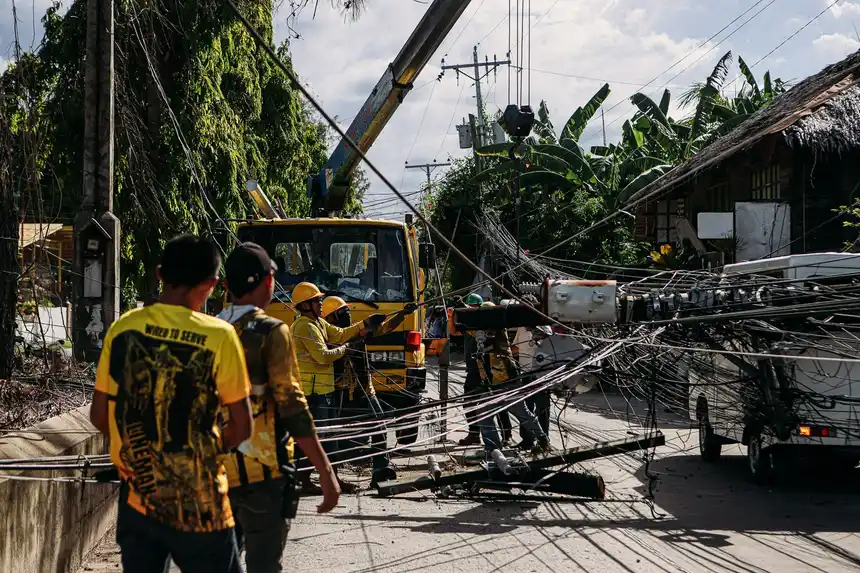
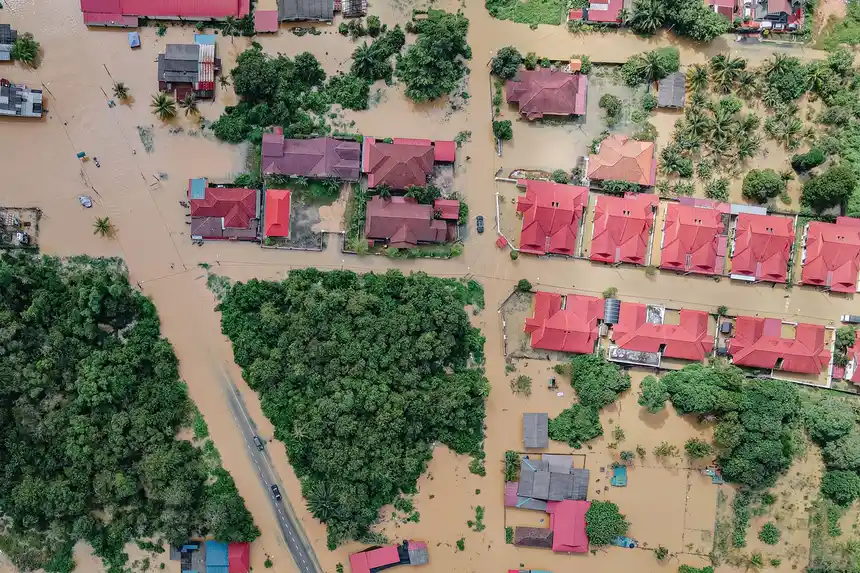
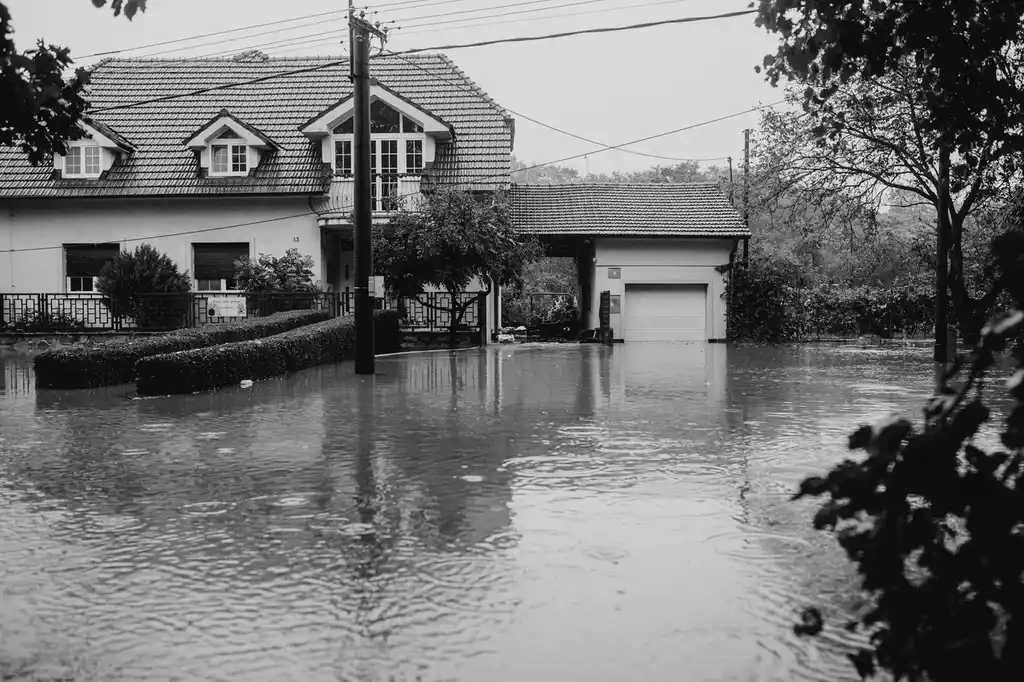
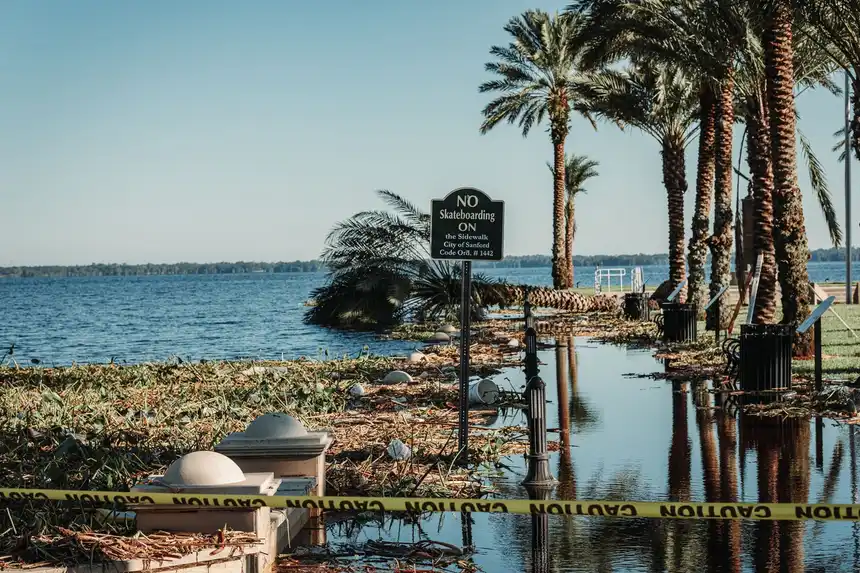
Yes. Floodwater carries bacteria and moisture that soaks into drywall, insulation, and framing. Mold can start growing within 48 hours. Even if you dry the surface, mold inside wall cavities will spread. We inspect with thermal imaging and moisture meters to find hidden moisture and remediate before mold takes hold.
Mold spreads fast in West Palm Beach humidity. Call now and we will schedule an inspection the same day, give you a written scope, and start remediation before the problem grows. Upfront pricing, documented results, and clearance testing included.
Call us anytime, day or night, for emergency flood damage restoration in west palm beach. We answer the phone 24/7 and can dispatch a team immediately. You can also email us to schedule a non-emergency assessment.