Written scope
Square footage, R-value target, and flat price.
When a roof leak, burst pipe, or AC condensate overflow soaks your attic or walls, insulation removal and replacement West Palm Beach FL is the only fix that stops mold and restores R-value. We serve homeowners, landlords, and property managers across Palm Beach County with insulation replacement services West Palm Beach crews rely on after water damage. Call now for a same-day scope.
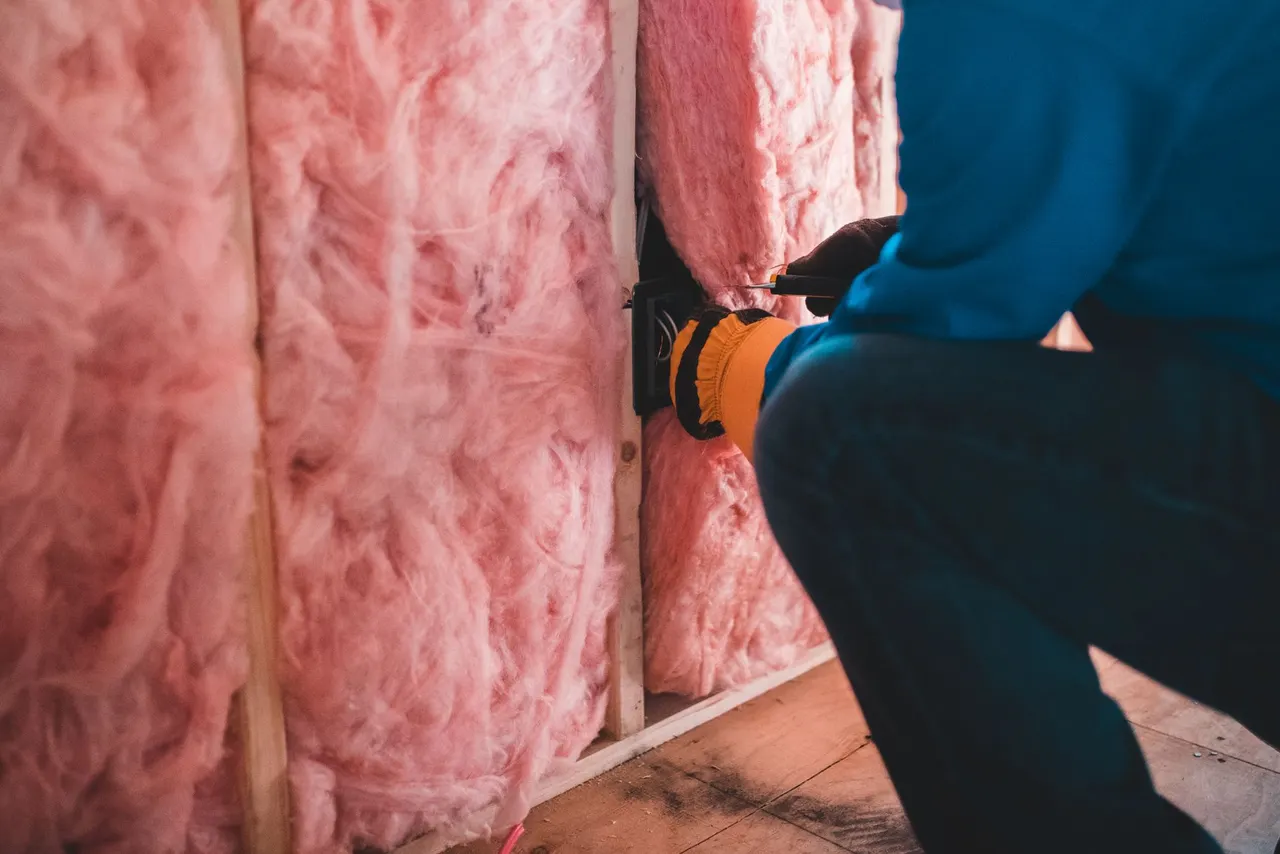
Every job includes the core scope below. Add-ons like mold remediation, drywall repair, and air duct cleaning are priced separately if the scope calls for them, and we tell you upfront which ones apply before work starts.
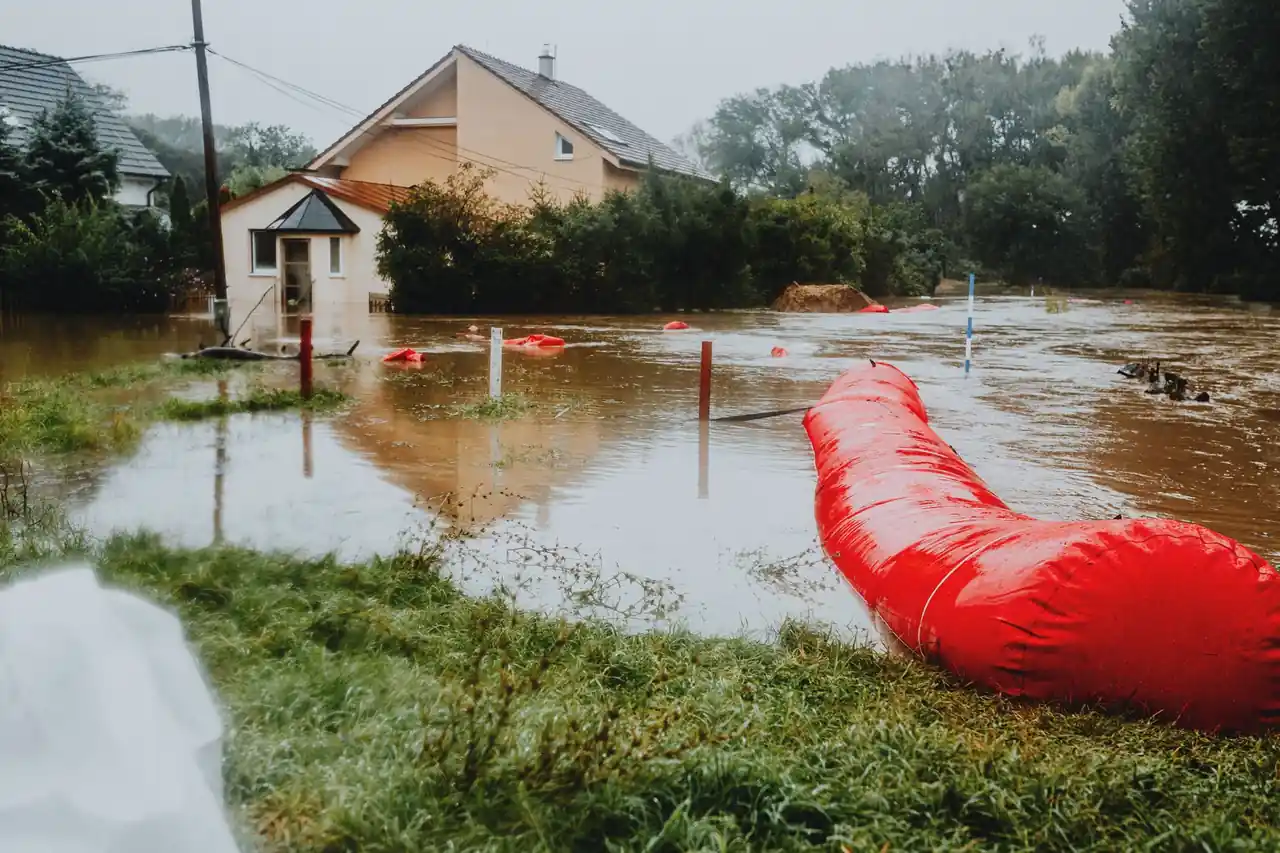
Homes across West Palm Beach lose insulation to roof leaks, slab leaks, and AC condensate overflows. We pull the wet material, dry the cavity, and install new insulation to code so your home stays dry and efficient.
Commercial buildings and multi-unit properties need insulation work scheduled around tenants and operations. We scope the affected area, document it for insurance, and install new material to code.
Insulation removal and replacement West Palm Beach FL is the process of pulling saturated, contaminated, or moldy insulation out of attics, walls, and crawl spaces and installing new insulation that meets current Florida code. Wet fiberglass and cellulose lose their R-value the moment they soak up water, and they stay wet for weeks in this humidity. We use moisture meters and thermal imaging cameras to map exactly how far the water traveled, then remove every affected batt and blow-in pile before mold has a chance to colonize the framing.
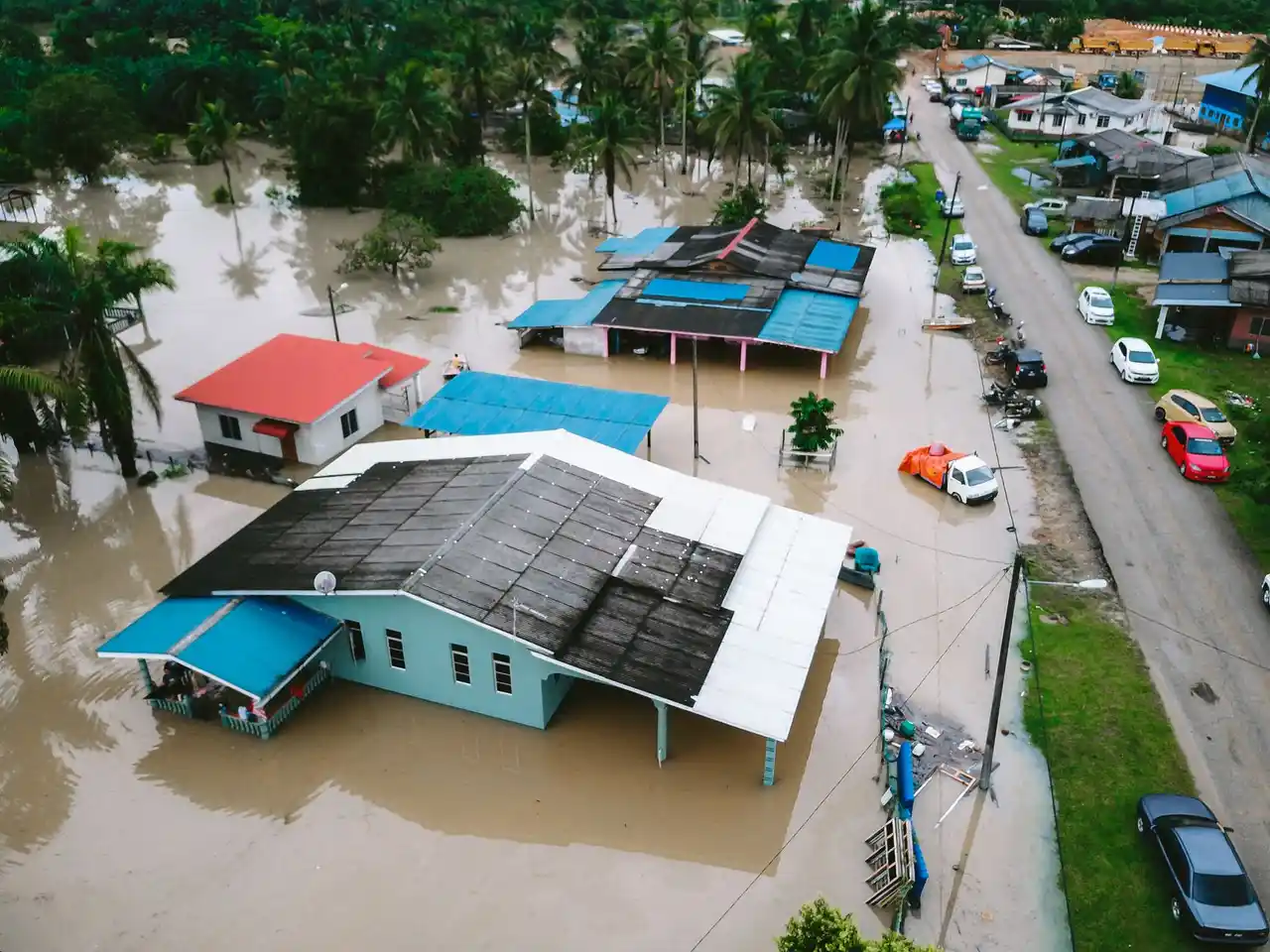
Most calls we get for insulation removal in West Palm Beach, Florida start the same way: a homeowner notices a sagging ceiling, a musty smell in the hallway, or a spike in the power bill after a storm. Hurricane water intrusion, roof leaks, and slab leaks are the usual culprits. If you have been searching for insulation removal and replacement near me West Palm Beach FL after a water event, we can usually get a crew out the same day to scope the damage and give you a flat price before any work starts.
Wet insulation does not dry in this humidity; it comes out and new material goes in.
Every job follows the same five steps so you know exactly what happens, who is in your home, and how long it takes. Most residential attics are done in one day; larger commercial jobs run two to three.
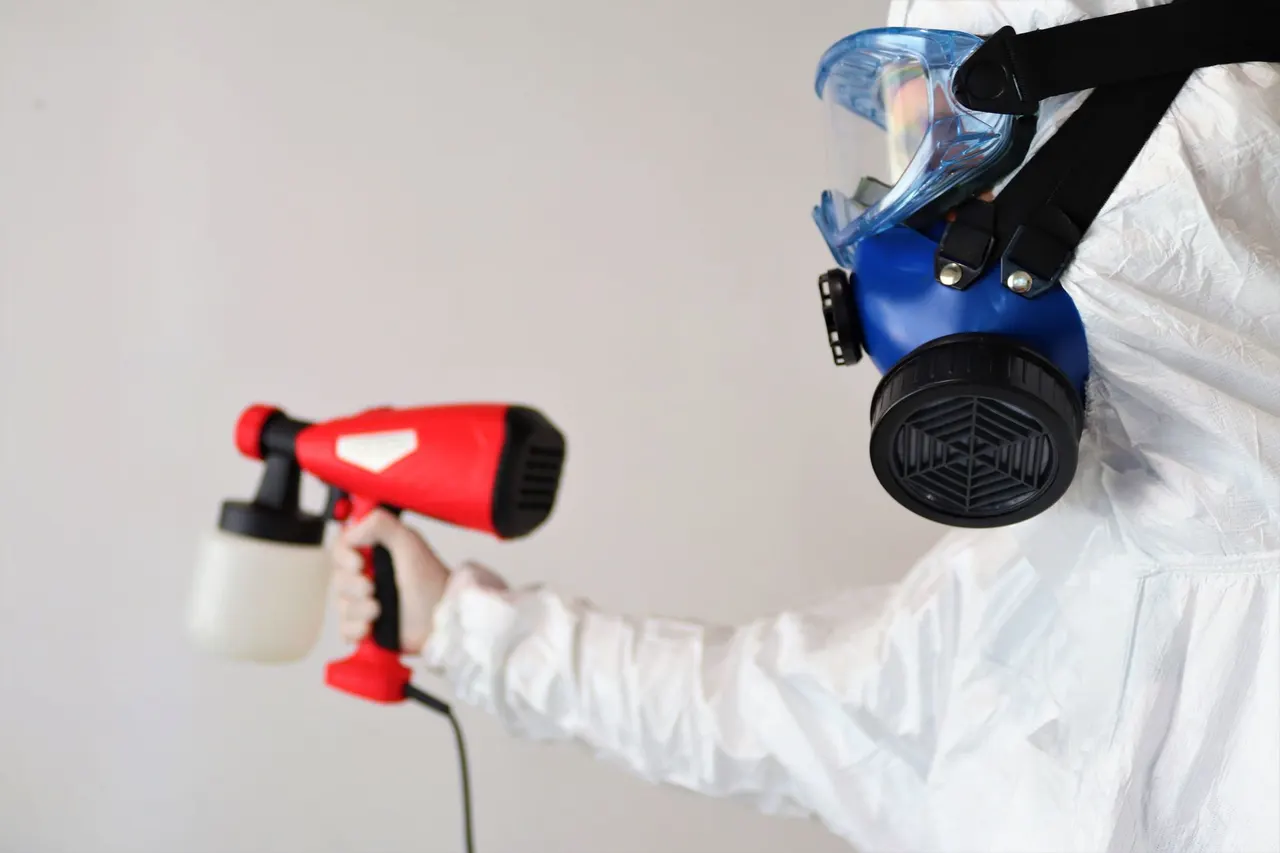
We start with a moisture meter and thermal imaging camera walk-through of the attic, walls, and any crawl space. You get a written scope with the square footage, the R-value target, and a flat price before we pull a single batt. This usually takes 45 to 90 minutes.
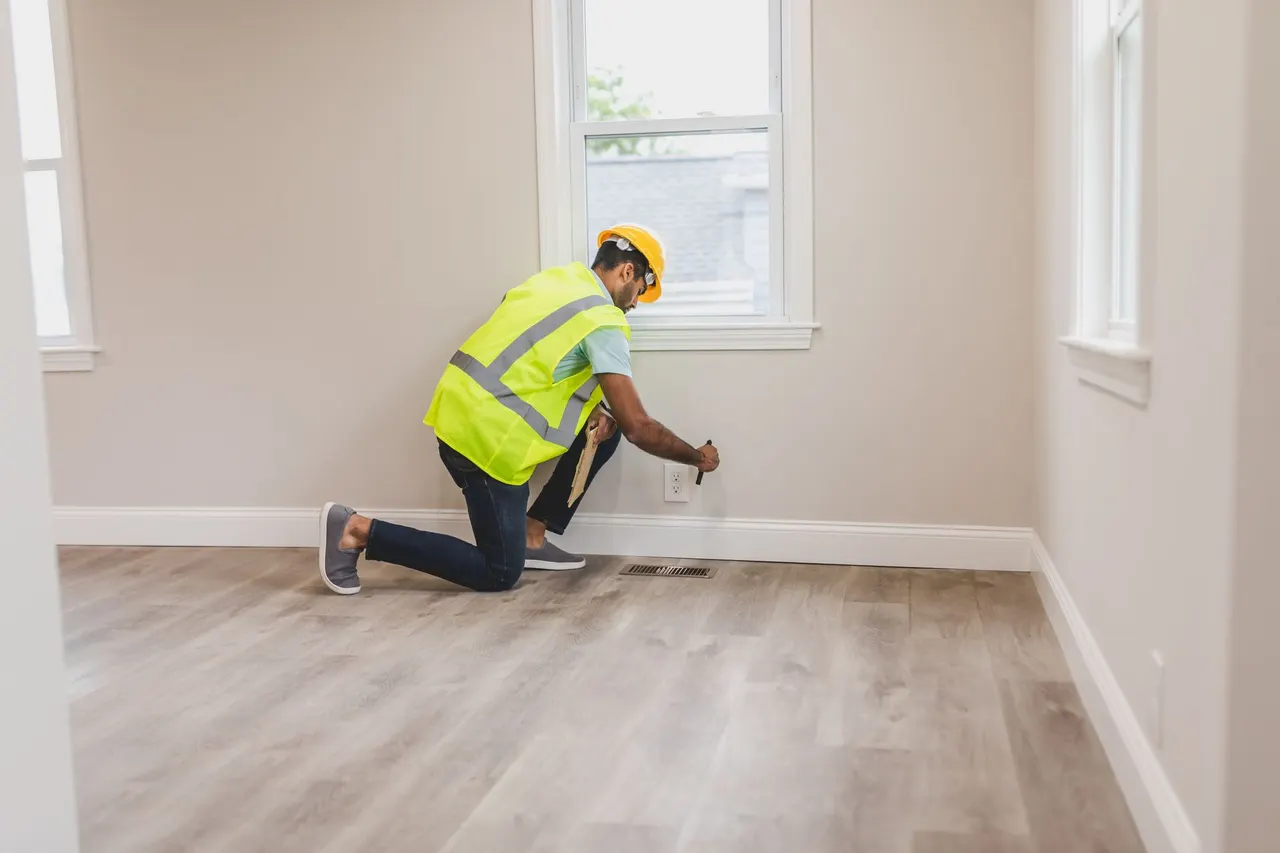
We lay plastic sheeting over floors and furniture, set up negative air machines with HEPA filtration, and seal off HVAC returns so dust and spores stay in the work zone. On occupied homes we schedule the noisiest work for the hours you choose.
Crews bag and haul out every saturated batt, blown-in pile, and contaminated vapor barrier. We use a truck-mounted water extractor and portable extraction unit to pull standing water from the cavity before it can wick back into new material. Removal on a typical 1,500-square-foot attic takes three to five hours.
Air movers and dehumidifiers run until moisture readings in the framing match dry-standard baselines. We apply an antimicrobial solution to the studs and decking, then HEPA-vacuum the entire cavity. This drying step is what prevents mold growth after water damage West Palm Beach FL homeowners call us back about.
We install new batts or blown-in insulation to the R-value on your scope, seal gaps around can lights and top plates, and label the job. You get a final walk-through with photos of the before and after, plus a written record of the R-value and materials used for your insurance file.
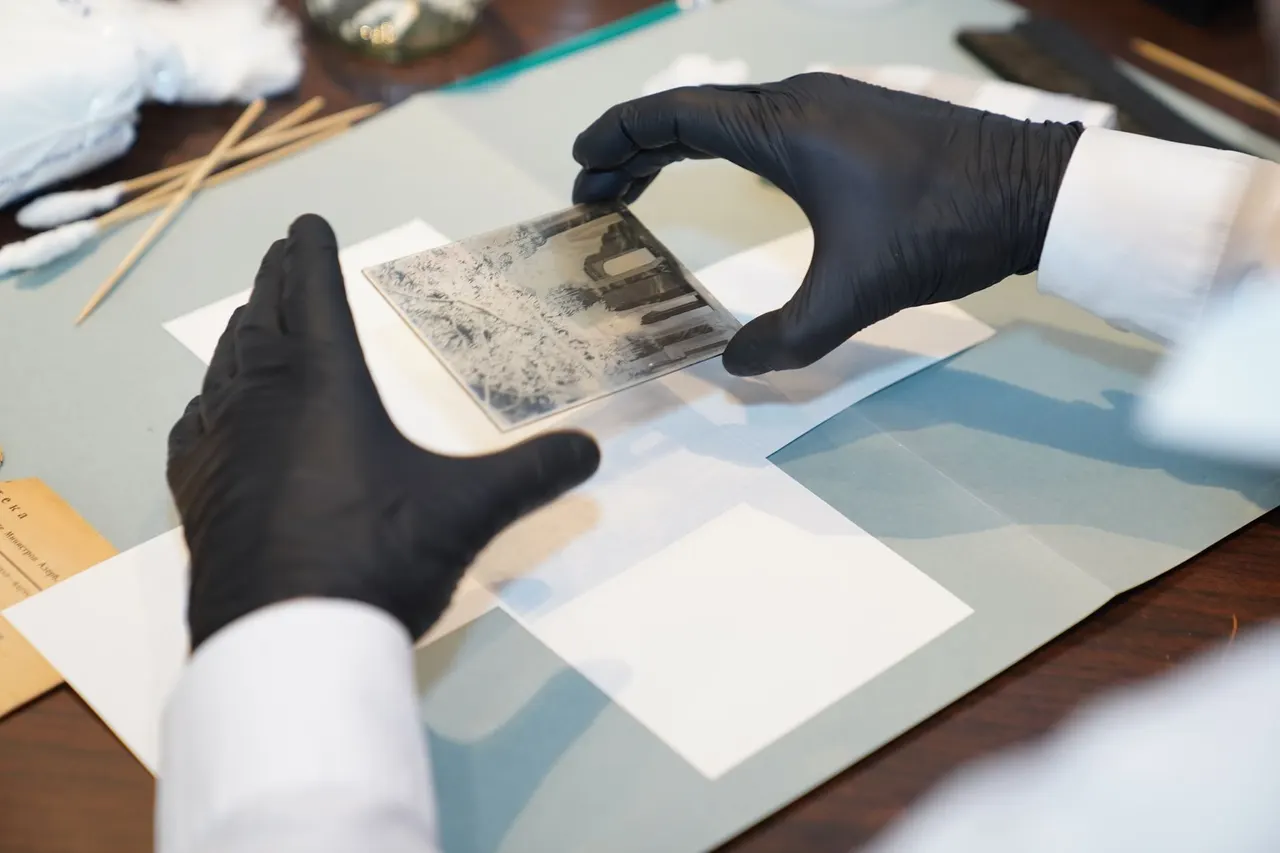
Maps temperature differences behind walls and ceilings to find wet insulation you cannot see. We use it on every scope so removal is targeted, not guessed.
Confirms whether insulation and framing are actually wet and tracks drying progress. We log readings before, during, and after the job.
Pulls standing water out of attic and crawl space cavities before insulation removal. Faster and more thorough than shop vacs on larger jobs.
Reaches tight wall cavities and closets where the truck mount cannot go. Used for smaller water losses and detail work.
Keeps dust and mold spores inside the work zone during removal. Essential when occupants are home or the building is occupied.
Pull moisture out of the air so the cavity dries to a measured baseline before new insulation goes in. Critical in West Palm Beach humidity.
Circulate air across framing and decking to speed drying. We position them based on the moisture map, not a standard layout.

We dry cavities to measured moisture baselines rather than a fixed number of days. That standard is what lets us tell you with confidence when the cavity is ready for new insulation.
We tarp the roof if needed, extract standing water, remove all saturated insulation, dry the decking and framing to a measured baseline, and install new insulation to code. The attic is dry, mold-free, and back to full R-value, usually within three to five days of the storm passing.
We locate the leak, repair the pipe, cut a small access opening, remove the wet insulation, dry the cavity, and replace the insulation and drywall. The wall cavity is dry and the repair is finished without a full wall tear-out.
We clean up the water, remove the saturated insulation, dry the platform and surrounding framing, and replace the insulation with material rated for the location. The air handler sits on dry, code-correct insulation and the musty smell is gone.
We scope the affected area, remove and replace the insulation, treat any mold found, and provide photo documentation and third-party clearance testing. The inspection objection is cleared and the closing can move forward on schedule.
West Palm Beach insulation work is shaped by two things: the humidity and the building stock. Summer dew points sit in the mid-70s for months, which means wet insulation does not dry on its own the way it might in a drier climate. A roof leak that would be a minor repair in Arizona becomes a mold problem here within 48 hours. The housing mix matters too. Historic bungalows in Flamingo Park and El Cid often have knob-and-tube-era attics with minimal original insulation, while high-rises along North Flagler Drive have mechanical rooms and air handlers that generate condensate year-round. We scope each property for its actual construction, not a template. If you need same-day insulation removal West Palm Beach service after a storm, call before 2 p.m. and we can usually have a crew on-site the same afternoon. We also handle insulation removal and replacement Palm Beach Lakes West Palm Beach properties where HOA rules require advance notice before trucks arrive.
A roof leak during a summer storm soaked roughly 600 square feet of attic insulation. The homeowner noticed a musty smell and a sagging ceiling in the hallway. Moisture readings showed the decking was wet across a wider area than the visible stain.
We removed all saturated insulation, dried the decking to a measured baseline in three days, treated the framing with antimicrobial, and installed R-38 blown-in insulation. Final moisture readings matched dry-standard baselines and the ceiling was repaired.
We recommended an annual roof inspection before hurricane season and a moisture check after any major storm. Catching a leak early keeps the insulation dry.
A failed condensate line on the 14th floor soaked insulation around the air handler and dripped into the unit below. The building manager called us after the ceiling stain appeared. Three units had affected insulation.
We extracted standing water, removed wet insulation from all three units, dried the platforms and framing in two days, and installed new insulation rated for mechanical spaces. All three units were back in service within a week.
We set the building on a twice-yearly condensate line inspection schedule. Most overflows we see start with a clogged trap that a five-minute check would catch.
A slab leak soaked insulation inside two wall cavities. The homeowner only noticed when drywall staining appeared near the baseboard. Thermal imaging confirmed water had traveled up the wall about four feet.
We located and repaired the leak, cut small access openings, removed the wet insulation, dried the cavities in 48 hours, and replaced insulation and drywall. Final moisture readings were within dry standard.
We suggested a pressure test on the plumbing before the drywall was closed up, and an annual water bill check to catch slab leaks early.
Wet insulation causes problems that get worse the longer you wait. Here are the ones we see most often in West Palm Beach homes and commercial buildings, and how we fix them.
We locate the saturated insulation with a moisture meter and thermal imaging camera, remove it, treat the cavity with an antimicrobial solution, and install new insulation. The odor source is gone, not masked. Wet insulation in an attic or wall cavity keeps releasing mold spores and odor into the living space. Air fresheners and HVAC filters will not fix it because the source is still there.
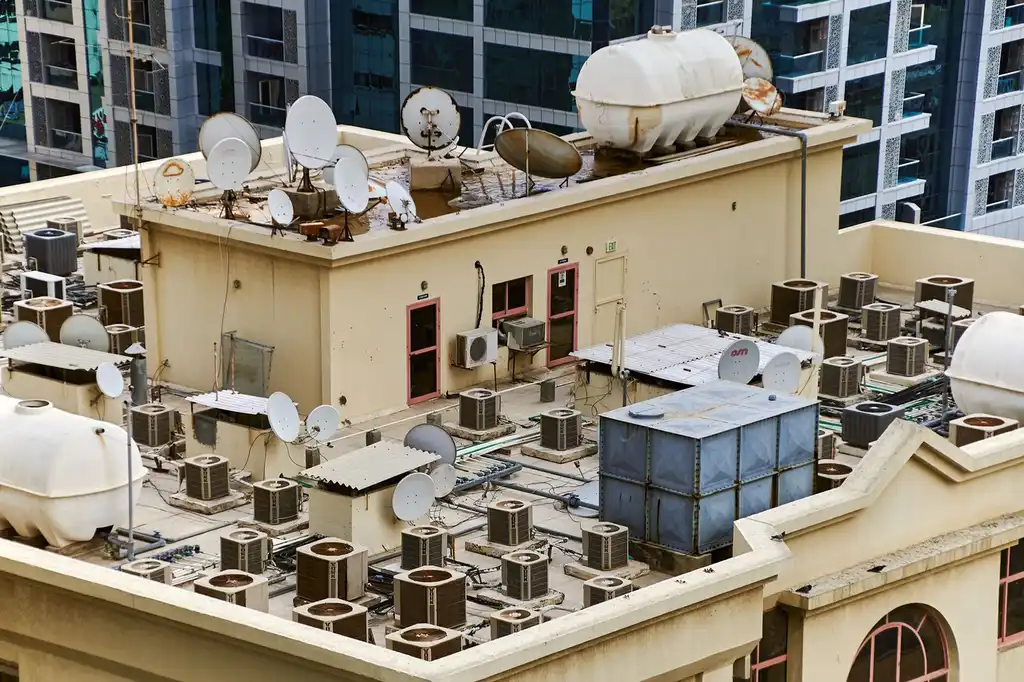
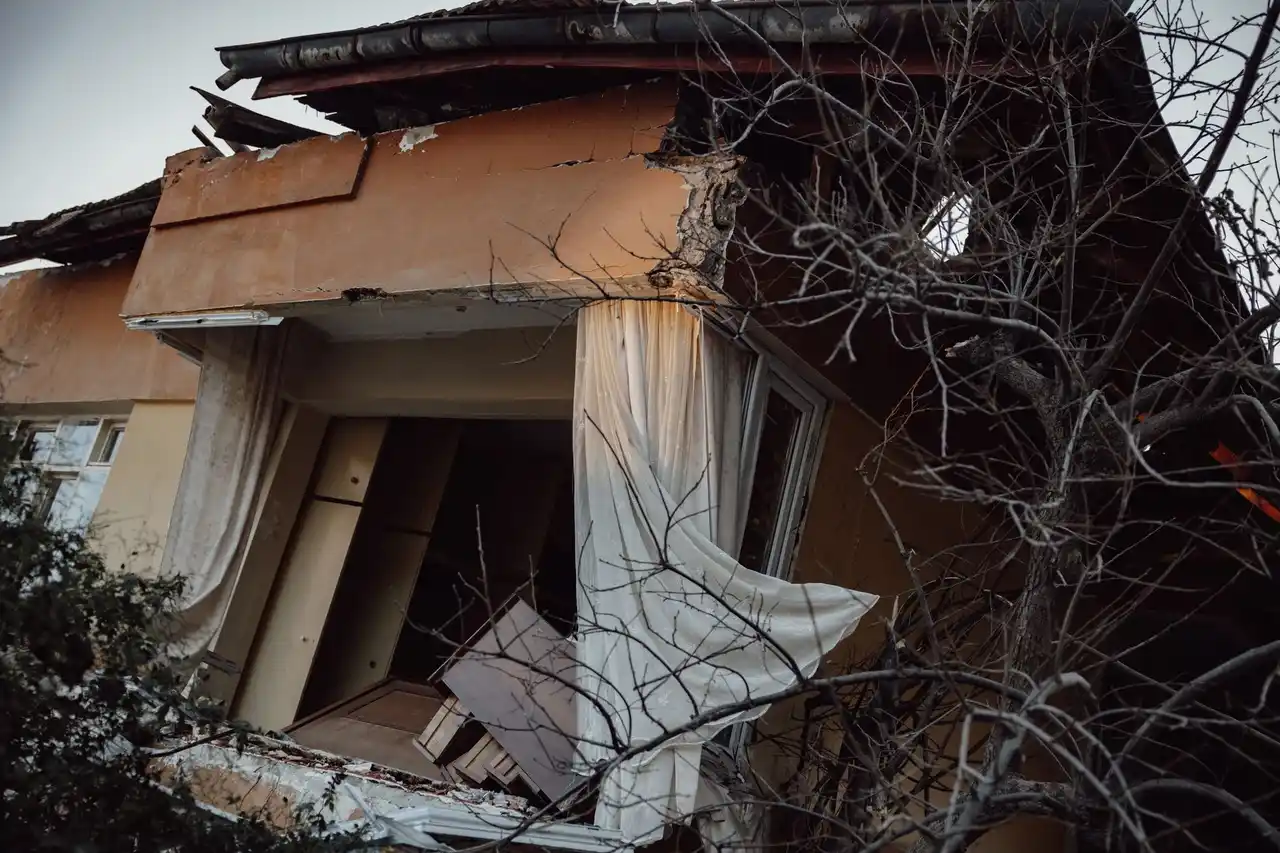
We remove the wet insulation from above, dry the ceiling structure to a measured baseline, and coordinate drywall repair. The ceiling is stabilized before it fails. Wet insulation adds weight to drywall and holds moisture against the ceiling structure. Left alone, the ceiling can collapse and take the insulation with it.
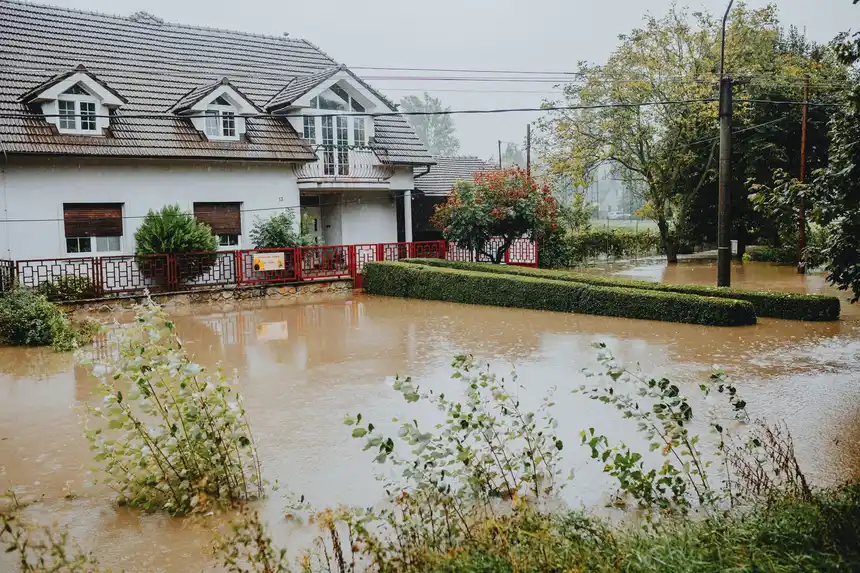
We confirm insulation condition with moisture readings, replace saturated material, and install new insulation to current code. Most customers see cooling costs drop back to normal within one billing cycle. Soaked or compressed insulation loses its R-value, so the AC runs longer to hold temperature. Homeowners often blame the AC unit when the real problem is in the attic.
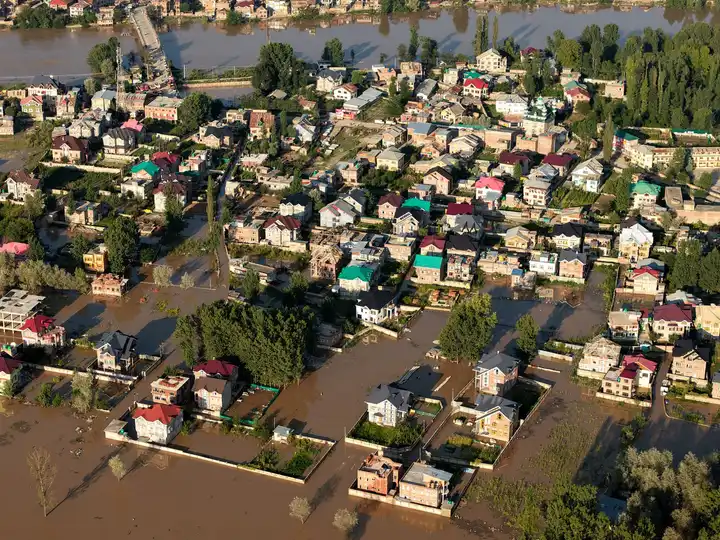
Our MRSR-licensed crew removes the moldy insulation, treats the framing, and clears the space with third-party testing. We document the whole process so the sale or refinance can proceed. Mold on attic decking or wall framing usually traces back to wet insulation that was never removed. A buyer or lender will require remediation before closing.
Mold can colonize wet insulation and framing within 24 to 48 hours in Florida humidity. We remove the saturated material, treat the framing with an antimicrobial solution, and HEPA-vacuum the cavity so spores do not migrate to your HVAC system. That is the difference between a one-week fix and a months-long mold remediation project.
Soaked fiberglass drops from R-13 or R-19 to nearly zero. Blown-in cellulose compacts and never recovers. New insulation restores the thermal barrier so your AC does not run double shifts in July. Most West Palm Beach attics we replace land between R-30 and R-38 to meet current energy code.
A home with wet, compressed attic insulation can see cooling costs climb 20 to 40 percent. Once we pull the wet material and install new batts or blown-in insulation, homeowners routinely tell us the next Florida Power & Light bill drops back to normal. That savings starts the first full billing cycle after the work is done.
Wet insulation holds moisture against wood framing, drywall, and roof decking. Over a few weeks that turns into rot, warped hardwood floors below, and ceiling collapse from water weight. Removing the wet insulation lets the cavity dry and gives us a chance to catch compromised framing before it becomes a structural repair.
Clear records you can keep and share.
Square footage, R-value target, and flat price.
Before, during, and after photos for your insurance claim.
Daily readings showing the cavity dried to baseline.
Wet insulation is not a wait-and-see problem in Florida. Fiberglass and cellulose that stay wet for more than a day or two support mold growth and lose their insulating value.
Blown-in cellulose and saturated fiberglass cannot be dried back to safe condition. Removal and replacement is the reliable fix.
Mold can colonize wet insulation and framing within 24 to 48 hours in West Palm Beach humidity. Waiting a week usually means a bigger scope.
Soaked insulation drops to nearly zero R-value. New insulation installed to current code restores the thermal barrier and lowers cooling costs.
Don't see your area? Call us to confirm coverage. +18445810963?
Most residential attic insulation removal and replacement jobs in West Palm Beach run $1,800 to $4,500 in 2026, depending on square footage, access, and whether mold treatment is needed. Blown-in replacement is usually cheaper per square foot than batt. Commercial jobs price higher because of square footage and after-hours scheduling. We give you a flat written price after a same-day scope, so you are not guessing from a phone estimate.
Yes. Fiberglass and cellulose insulation that has been wet for more than 24 to 48 hours in Florida humidity cannot be dried back to safe condition and will support mold growth. The only reliable fix is removal and replacement. We use moisture meters to confirm saturation before recommending removal, so you are not paying to replace insulation that is actually dry.
A typical 1,500-square-foot residential attic takes one day for removal and replacement, usually six to eight working hours. If mold treatment or cavity drying is needed, add one to two days for drying equipment to run. Commercial buildings and multi-unit properties usually run two to three days. We give you a day-by-day schedule with your written scope.
In rare cases, lightly damp fiberglass batts can be dried in place with air movers and dehumidifiers if we catch them within the first 24 hours and moisture readings confirm the material is not saturated. Blown-in cellulose and any insulation that has been wet longer than two days is removed and replaced. We test with a moisture meter before recommending either path.
Wet insulation does not dry out in Florida humidity. Every day you wait gives mold a better foothold. Call our West Palm Beach crew for a same-day scope, a flat written price, and a documented job your insurance carrier will accept.
Call us anytime, day or night, for emergency flood damage restoration in west palm beach. We answer the phone 24/7 and can dispatch a team immediately. You can also email us to schedule a non-emergency assessment.